Navigating the Heartache of Grieving the Loss of a Beloved Pet
- bbrown202445
- Jun 27
- 2 min read
Losing a pet can feel like losing a family member. The bond shared with a pet often runs deep, filled with unconditional love, companionship, and countless memories. When that bond is broken by loss, the pain can be overwhelming. Grieving the loss of a beloved pet is a unique and personal experience, but understanding the process and finding ways to cope can help ease the heartache.

Understanding the Depth of Pet Loss
Pets are more than animals; they are companions who share our daily lives. Their presence offers comfort, joy, and routine. When a pet passes away, the void left behind can feel immense. This grief is often underestimated by others, but it is real and valid.
People may experience a range of emotions including sadness, anger, guilt, and loneliness. These feelings can come in waves and may last longer than expected. Recognizing that grief is a natural response to loss is the first step toward healing.
Common Stages of Grieving a Pet
Grief does not follow a strict timeline or order, but many people go through similar stages:
Shock and denial: Difficulty accepting the loss, feeling numb or in disbelief.
Sadness and crying: Deep sorrow and frequent tears as the reality sinks in.
Anger: Frustration over the loss or circumstances surrounding it.
Guilt: Wondering if more could have been done to prevent the loss.
Acceptance: Gradually coming to terms with the absence and finding peace.
Each person’s journey is different. Some may revisit stages multiple times or experience them in a different order.
Practical Ways to Cope with Pet Loss
Finding ways to honor your pet and care for yourself can help ease grief. Here are some practical steps:
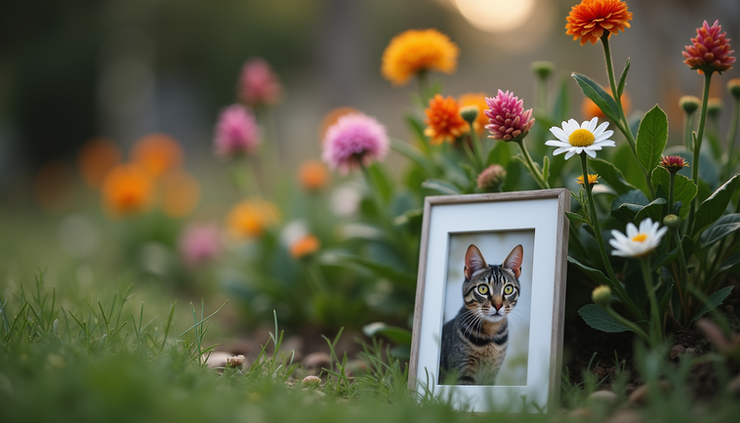
Create a memorial: Plant a tree, make a photo album, or keep a special item like a collar or favorite toy.
Talk about your feelings: Share memories and emotions with friends, family, or support groups who understand pet loss.
Allow yourself to grieve: Give yourself permission to feel sad without judgment or pressure to move on quickly.
Maintain routines: Keeping daily habits can provide stability during emotional upheaval.
Seek professional help if needed: Therapists or counselors experienced with pet loss can offer guidance and support.
Supporting Children Through Pet Loss
Children may grieve differently and need extra support. Be honest with them about what happened, encourage them to express their feelings, and involve them in memorial activities. Books and stories about pet loss can also help children understand and cope.
When to Consider Getting Another Pet
Deciding whether to bring a new pet into your life is personal and depends on your readiness. Some find comfort in caring for another animal, while others need more time to heal. There is no right or wrong answer. Reflect on your feelings and circumstances before making this decision.
Honoring the Memory of Your Pet
Keeping your pet’s memory alive can bring comfort. Consider:
Writing letters or journaling about your pet.
Creating artwork or crafts inspired by your pet.
Donating to animal charities in your pet’s name.
Celebrating your pet’s birthday or adoption day annually.
These acts can transform grief into lasting love and remembrance.


Comments